Why Casual Games Are the Gateway to the Exciting World of Simulation Games
Casual games have grown dramatically in popularity over the years, serving as a friendly entry point for gamers who may not have dived deeply into the more intensive genres like simulation games. Whether it’s something as simple as an addictive match-three puzzle or a more complex narrative-driven adventure, casual gaming is the first step for many. In this article, we’ll explore how casual games open the door to the thrilling realm of simulation games, specifically looking at their allure in the Netherlands and why they resonate with so many players down this pathway.
The Allure of Casual Games
Firstly, let’s discuss what casual games really are. These games are designed for ease of play and accessibility. You can jump in and out without needing to invest hours into learning complex mechanics. Think about games like Candy Crush or Words With Friends. They can be played for just a few minutes during a commute or at home while lounging on the couch. But what is it about them that makes players come back for more?
Accessibility: The Key Feature
One of the primary reasons audiences gravitate towards casual games is their accessibility. With *simple gameplay mechanics*, anyone can start playing immediately. Many casual games involve low barriers of entry, including:
- **Easy controls**: You don’t need a degree in game design to understand how to play.
- **Short gameplay sessions**: They cater to those with limited time.
- **Free-to-play models**: Most are free or have a limited cost, making them appealing to a broader audience.
Engagement Through Social Features
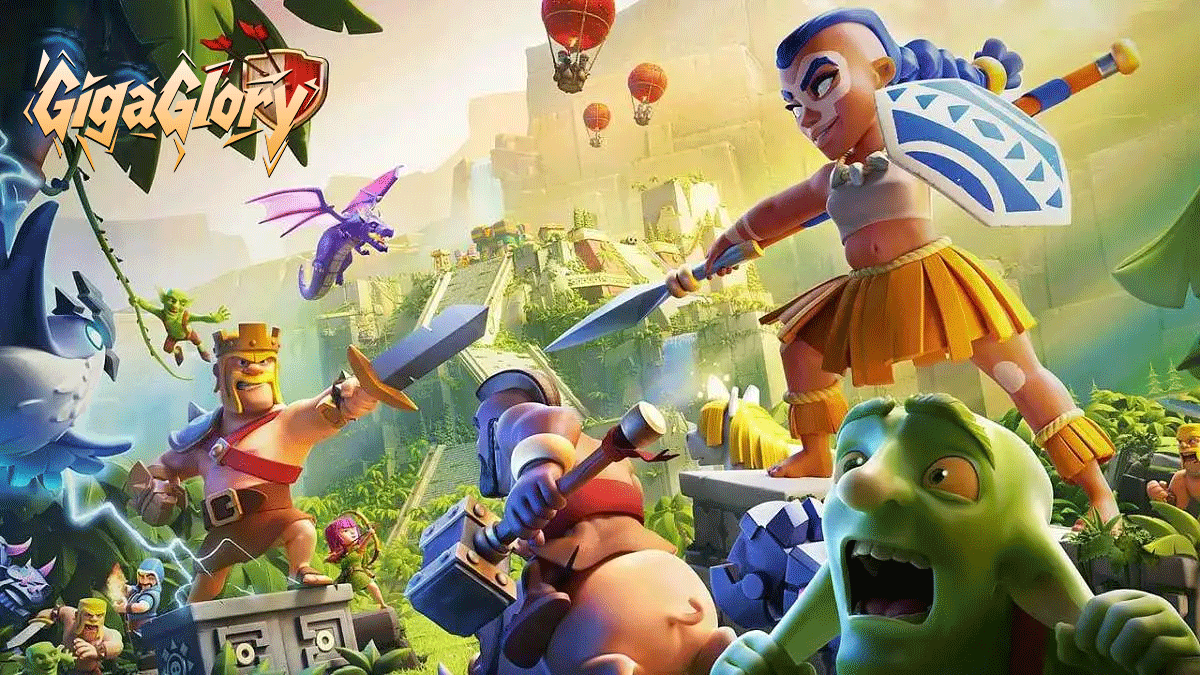
Social connections are another significant factor in the success of casual games. Many of them have built-in features allowing players to interact with friends. For example, in games like Clash of Clans, players can form clans and compete together, creating bonds that draw them deeper into the gaming experience. When players team up, they find joy in shared victories and strategies.
Simulating Real Life: The Bridge to Simulation Games
As players grow more comfortable with casual games, many become curious about simulation games, which often reflect real-life scenarios and challenges. The enticing aspect of desire to control virtual worlds can circle back to the stability and predictability casual games offer.
What Are Simulation Games? A Primer
Simulation games, unlike casual counterparts, require deeper engagement. Players often get to manage vast complexities or immerse in intricate narratives. We can categorize simulation games into various genres, such as:
- **Life Simulation** (e.g., The Sims)
- **Construction and Management Simulations** (e.g., Cities: Skylines)
- **Vehicle Simulation** (e.g., Microsoft Flight Simulator)
- **Strategy Games** (e.g., Civilization series)
From Casual Games to Simulation Mastery
For many, the journey from casual gaming to simulation gaming is gradual. They may start with a simple mobile game but soon find themselves seeking something meatier, like action adventure RPG games or intricate city-building games that challenge their abilities to strategize and plan.
The Thrill of Playing Games Online
One of the fascinating things about the evolution of casual games is how many have made the leap to online play. Games like Clash of Clans not only offer a casual gaming experience but can also serve as an entry point to more extensive social dynamics. Once casual gamers learn teamwork in such environments, they're more likely to explore simulation games online.
Factors Influencing Transition to Simulation Games
Let's table some of the critical factors why casual gamers might leap to simulation games:
| Factors | Description |
|---|---|
| **Curiosity** | Players often feel the urge to explore what lies beyond the casual realm. |
| **Increased Opportunity for Engagement** | Simulation games often promote long-term engagement through challenges and complex storylines. |
| **Desire to Compete** | Casual games introduce players to competition; simulation games provide deeper strategic competition. |
User Personas in Gaming
Different players have different motivations when playing games. Understanding those can help bridge the gap from casual to simulation games. Common personas include:
- **The Social Butterfly**: Enjoys games to connect and socialize.
- **The Challenger**: Wants to test skills and compete with others.
- **The Builder**: Loves creating and managing virtual worlds.
Simulation Games: Bringing Learning to Life
Another appealing aspect of simulation games is their educational value. They often require players to learn and apply real world skills, ranging from resource management to decision-making under pressure, making them valuable both for fun and education.
Why the Netherlands Loves Casual Games
In the Netherlands, the gaming culture has embraced casual games wholeheartedly. A combination of high smartphone usage and a young population makes these games incredibly popular. Moreover, with a growing emphasis on social gaming, many Dutch players enjoy multiplayer casual games as a bonding activity.
How Casual Gamers Discover Simulation Games
As players' interest grows, they’re likely to encounter simulation games in various ways:
- **Recommended Games**: Algorithms on gaming platforms that suggest richer experiences.
- **Word of Mouth**: Friends and community members sharing their experiences.
- **Game Events and Competitions**: Many casual gamers discover simulation through events showcasing multiple gaming types.
The Importance of Community
Communities surrounding games often facilitate the discovery of more complex genres. Platforms like Reddit, Discord, or even Facebook groups play a quintessential role in helping casual gamers transition towards simulation games, offering advice, sharing experiences, or linking game recommendations.
Conclusion
To sum it all up, casual games act as a fantastic gateway to the enthralling world of simulation games. They introduce players to gaming through accessible mechanics, social engagement, and a gradual process of learning and curiosity. This transition is facilitated by the gaming community, recommendations, and the educative and competitive nature of simulation games. Players start with casual games, find joy in fundamental gameplay, and as they grow, they become ready to take on the complex, immersive worlds offered by simulation games. So, whether you’re a seasoned player or just dipping your toes into the gaming waters, remember: casual gaming is just the first step into a journey filled with endless possibilities!